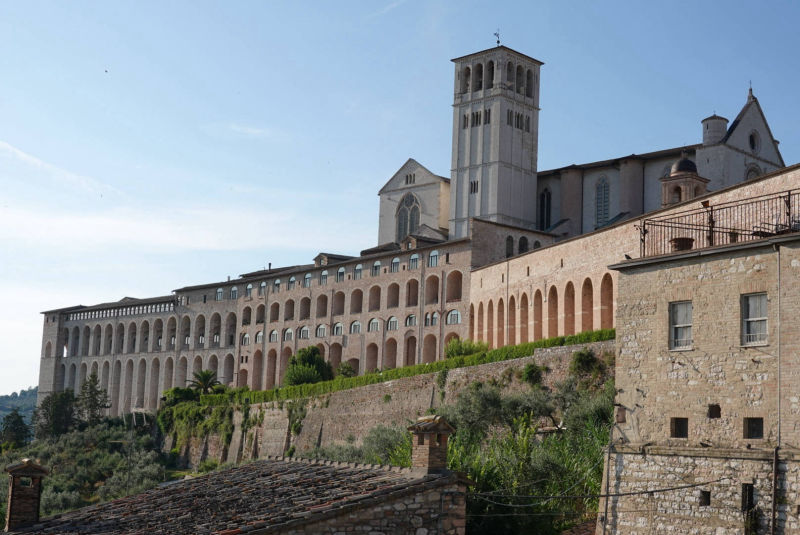
This beautiful city is the birthplace of St. Francis, who founded the Franciscan religious order in the town in 1208, and St. Clare (Chiara d'Offreducci), the founder of the Poor Sisters, which later became the Order of Poor Clares after her death.
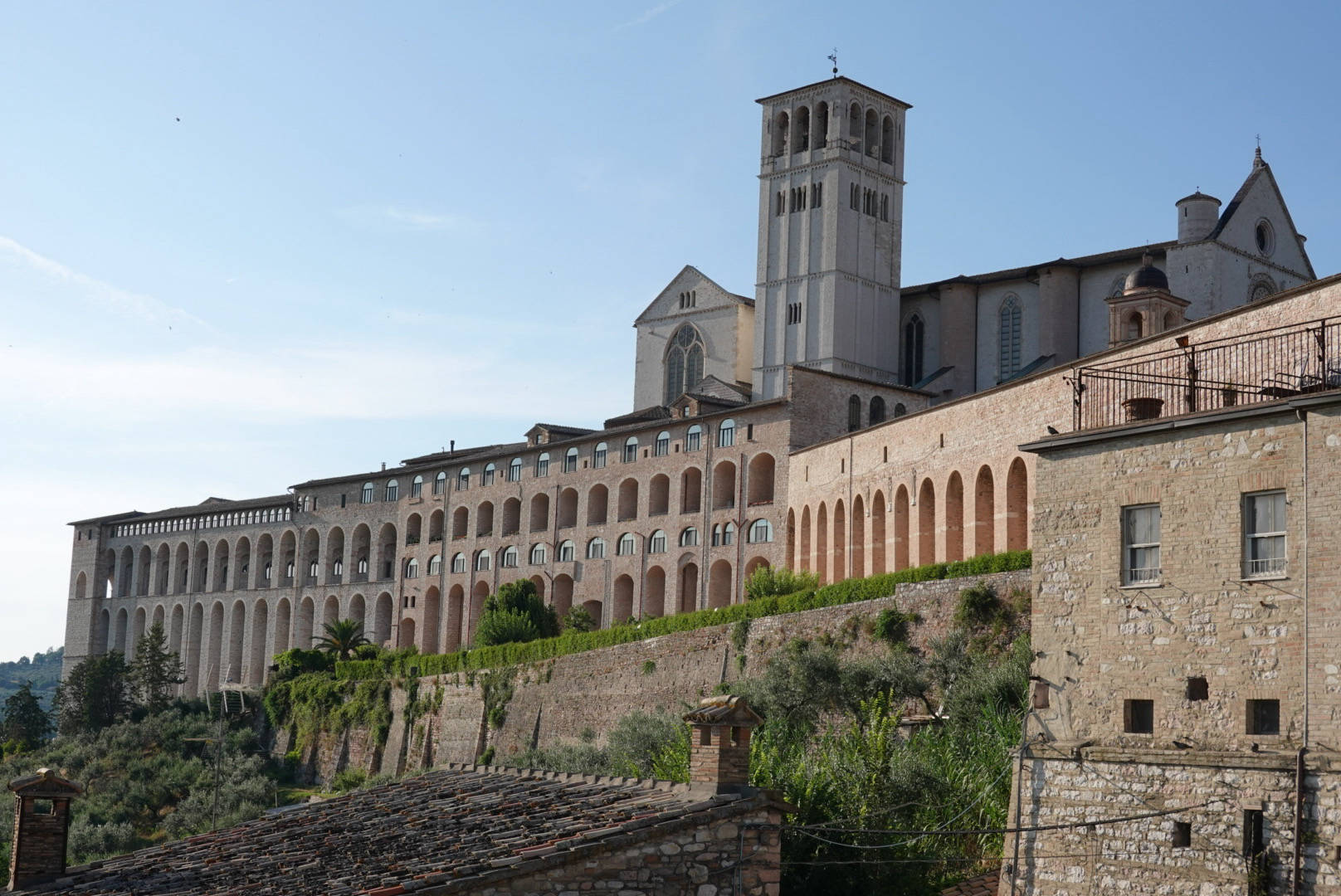
Religious pilgrims have come here for centuries to visit the Basilica of San Francesco (where St. Francis is buried) and the Basilica of Santa Chiara (to see the tomb of St. Clare). Visit the Eremo delle Carceri to see caves where medieval hermits withdrew from the world.
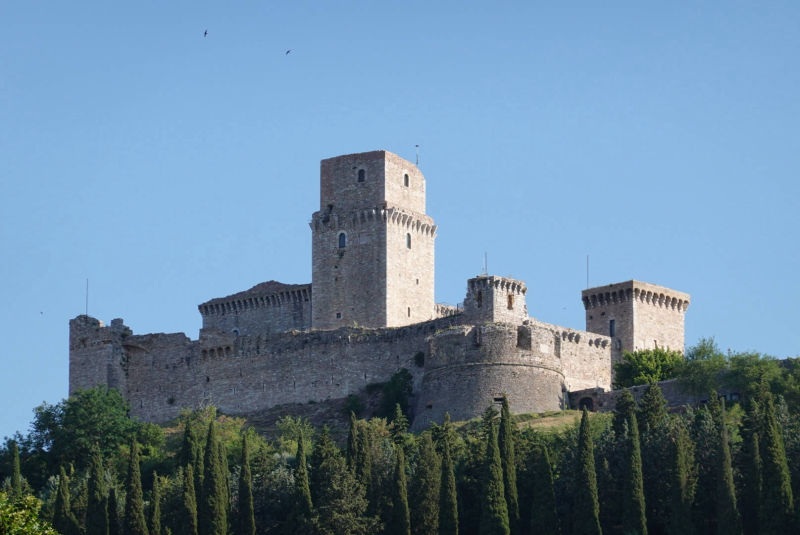
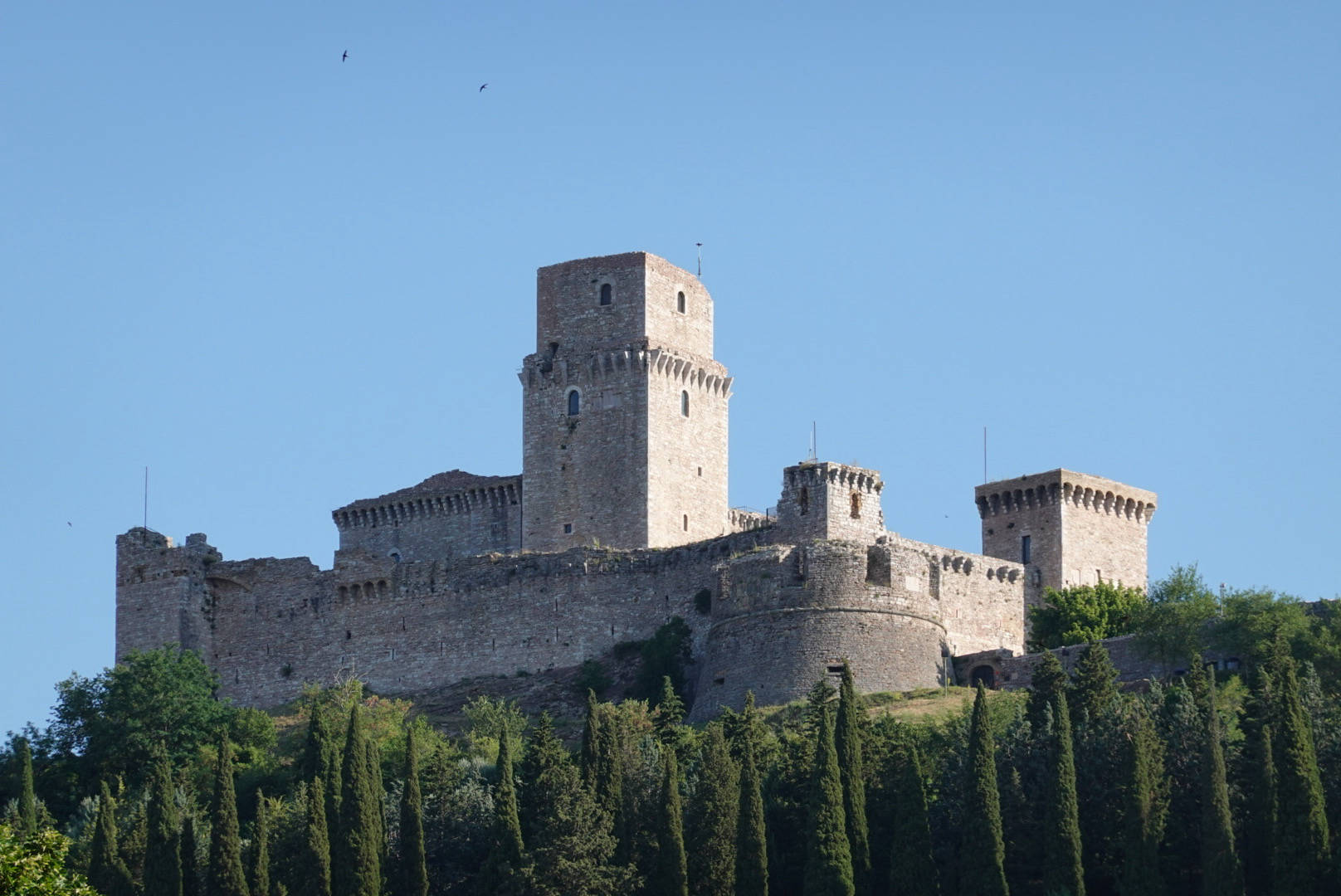
Towering above the city is the fortress ruin Rocca Maggiore.
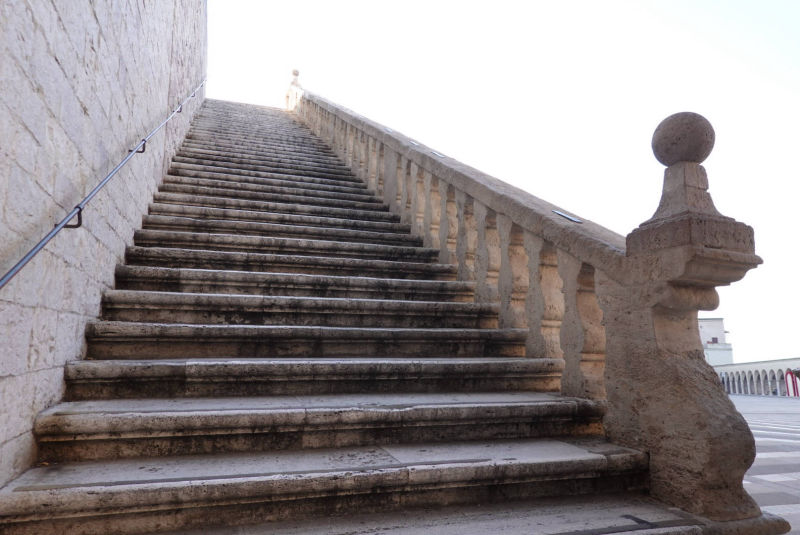
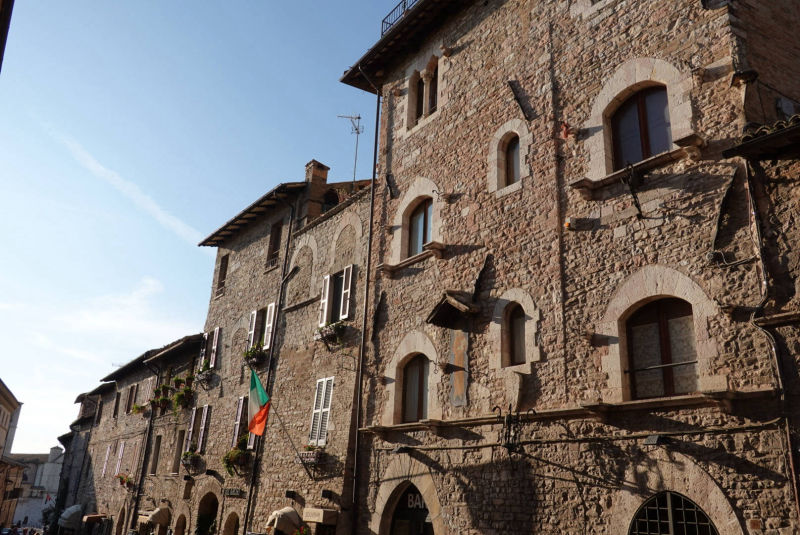
The atmosphere of the city is very special, you feel a strong presence of history, tranquility and faith.
Can recommend an overnight stay as the city changes a lot when tourists leave in the late afternoon. Can recommend a very nice small hotel inside the city walls: Hotel La Dimora.
Link to Wikipedia article on Assisi.
Below you can find pictures and directions for Assisi.
Perched on the slopes of Monte Subasio in central Italy, the ancient hill town of Assisi is one of the most spiritually resonant and historically rich destinations in Europe. Known worldwide as the birthplace of St. Francis of Assisi, founder of the Franciscan Order, the town has attracted pilgrims, artists, and travelers for centuries. Yet Assisi’s significance stretches well beyond its religious associations, encompassing Roman heritage, medieval architecture, Renaissance art, and modern peace movements.
Ancient Origins: Umbrians and Romans
The earliest settlers in Assisi’s region were the Umbrians, an Italic tribe who occupied the hilltop around 1000 BCE. They built fortified villages and practiced agriculture and animal husbandry. In the 4th century BCE, the area came under the influence of the Etruscans and, later, the Romans.
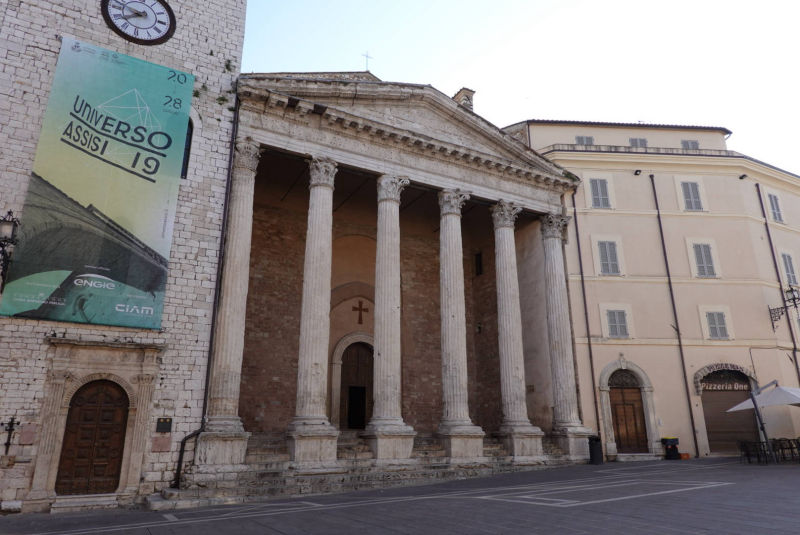
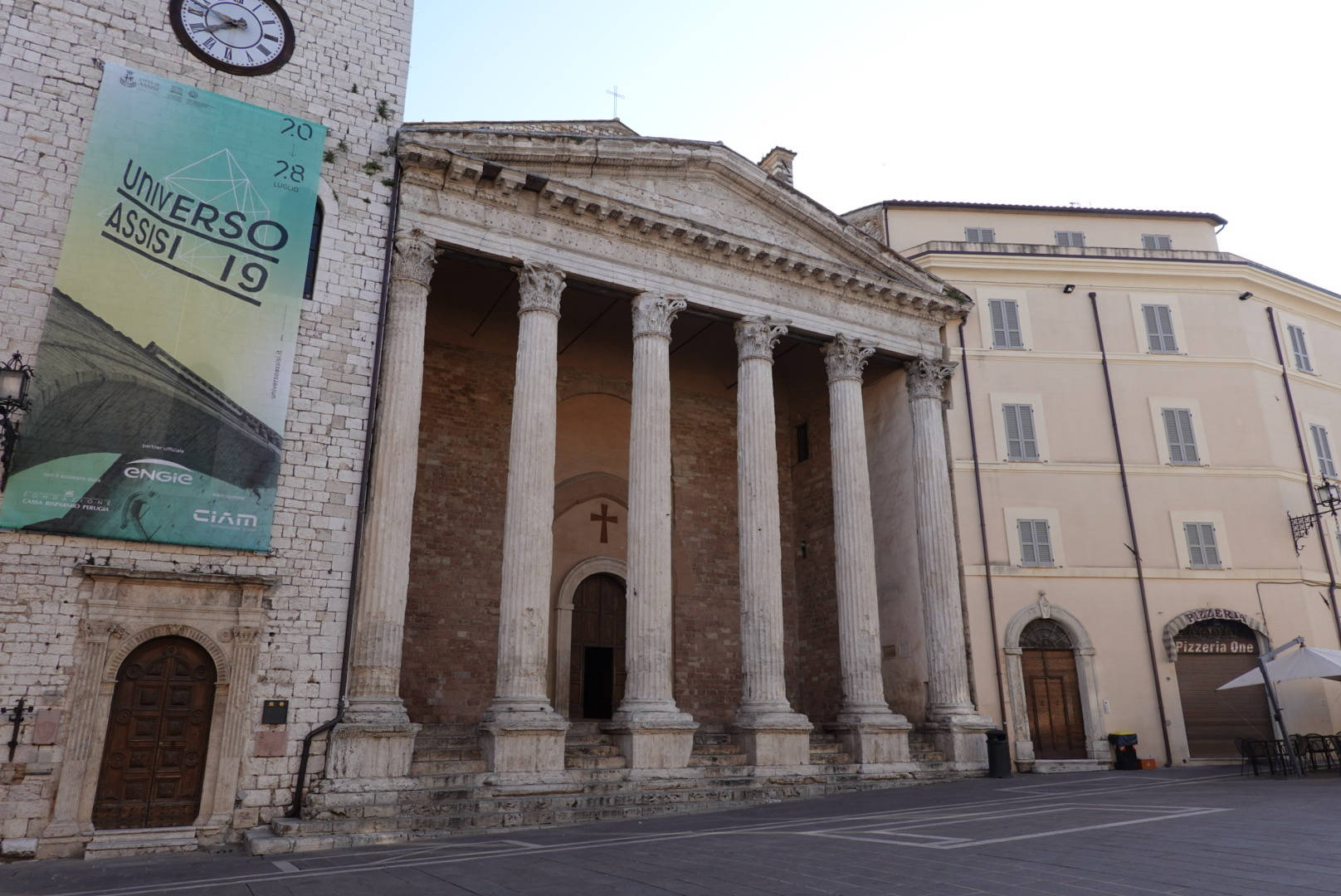
Under Roman rule (from the 1st century BCE), Assisi became a municipium called Asisium. The Romans built city walls, a forum, baths, an amphitheater, and temples. Remains of the Temple of Minerva, with its Corinthian columns still dominating the main square, testify to this classical past. The Via Flaminia, a major Roman road, ran nearby, linking Assisi to Rome and Adriatic ports.
Christianity and the Early Middle Ages
Christianity took root in Assisi early. According to tradition, St. Rufinus, a 3rd-century bishop and martyr, was the town’s first Christian preacher. A cathedral bearing his name was later built on the spot of his martyrdom.
As the Western Roman Empire declined, Assisi endured invasions by Goths and Lombards, and later came under the control of the Duchy of Spoleto. Despite these turbulent times, Christianity spread and Assisi remained a small but stable center.
In the 9th–11th centuries, Assisi was part of the Holy Roman Empire. Feudal lords governed the area, and the town’s fortified hilltop position allowed it to develop relative autonomy, setting the stage for its communal independence in the later Middle Ages.
The Age of St. Francis (12th–13th Centuries)
The most pivotal moment in Assisi’s history came with the birth of Giovanni di Pietro di Bernardone, later known as St. Francis, in 1181 or 1182.
Born into a wealthy merchant family, Francis led a privileged youth before renouncing worldly goods to live in poverty and serve the poor and lepers. In 1209, he founded the Order of Friars Minor (Franciscans), which soon gained papal recognition and spread rapidly across Europe.
St. Francis’s philosophy of humility, love for nature, and peace profoundly influenced both Church doctrine and European thought. He died in 1226 and was canonized just two years later. His follower, St. Clare of Assisi, founded the Poor Clares, a female monastic branch of the Franciscan movement.
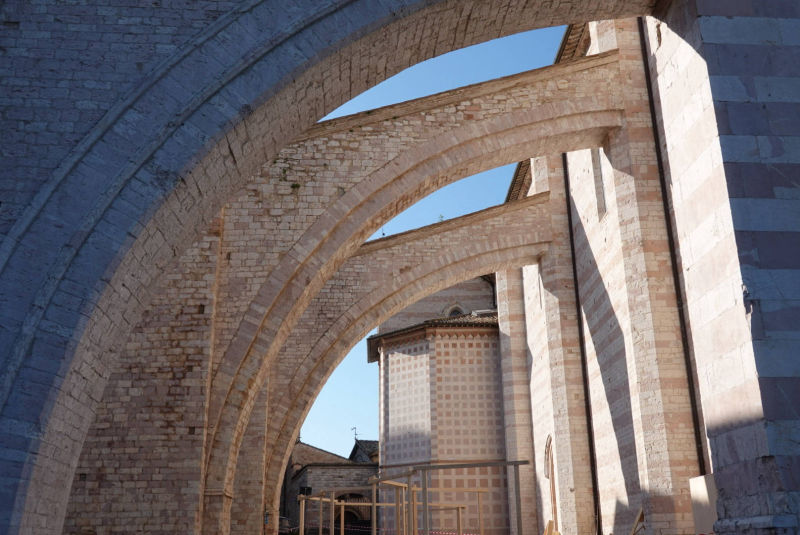
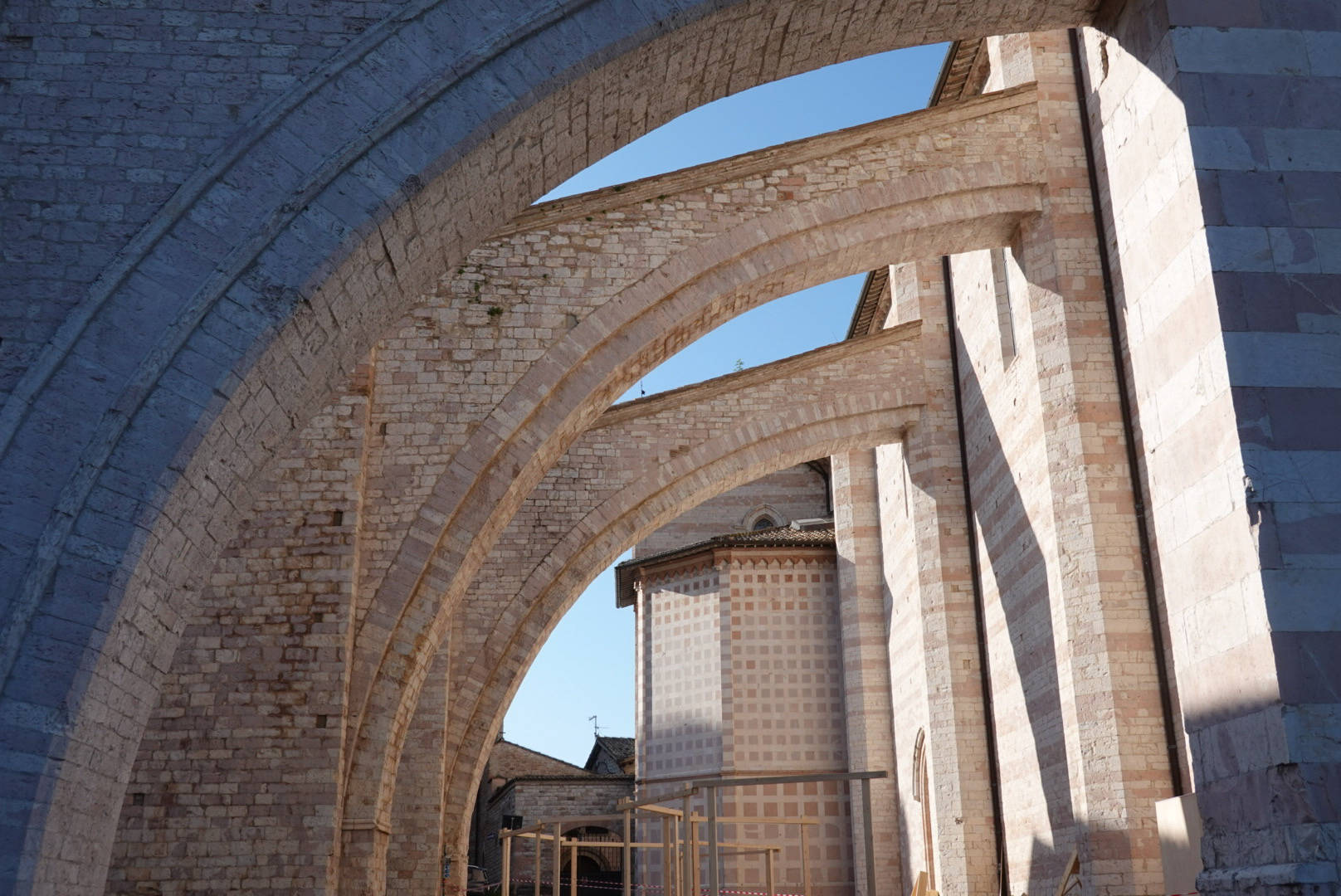
The construction of the Basilica of St. Francis began in 1228, overseen by Pope Gregory IX. Built into the hillside where Francis was buried, it became a spiritual beacon and architectural masterpiece.
Assisi grew into a religious capital, attracting pilgrims, theologians, and artists. The town thrived economically and culturally throughout the 13th century.
Renaissance and Artistic Flourishing
The 14th to 16th centuries saw Assisi continue as a Franciscan stronghold and artistic hub. The Upper Church of the Basilica was adorned with frescoes by Giotto, Cimabue, Pietro Lorenzetti, and others. These works mark a transition from medieval iconography to the more naturalistic style of the Renaissance.
Although Assisi suffered during various regional wars (including attacks by Perugia and later incorporation into the Papal States), it retained its religious importance and artistic prestige.
The Basilica of Santa Maria degli Angeli, built in the 16th century, enshrines the Porziuncola — the tiny chapel where St. Francis first gathered his followers.
Modern Assisi: Resilience and Renewal
With the Napoleonic Wars, the suppression of monastic orders, and the unification of Italy in the 19th century, Assisi experienced periods of hardship. Yet the town continued to function as a religious center and a site of pilgrimage.
In World War II, Assisi became a haven. Thanks to the efforts of local clergy, including Bishop Giuseppe Placido Nicolini, hundreds of Jews were hidden in monasteries and homes, escaping Nazi deportation — an episode that earned Assisi recognition as a “City of Peace”.
A significant earthquake in 1997 caused serious damage to several churches, including the Basilica of St. Francis. Restoration efforts were swift and comprehensive, driven by international concern and support.
Today, Assisi is a UNESCO World Heritage Site (since 2000) and one of the most visited towns in Italy. It remains the symbolic heart of Franciscan spirituality and a beacon of interfaith dialogue and ecological awareness.
Cultural and Religious Legacy
Assisi’s influence stretches well beyond Italy:
St. Francis is the patron saint of Italy (with St. Catherine of Siena).
He is also widely regarded as the patron of animals and ecology, making Assisi a focal point for environmental and peace movements.
In 1986, 1993, and 2011, Assisi hosted major World Day of Prayer for Peace events, gathering leaders from many religions, initiated by Pope John Paul II.
The Franciscan message of peace, humility, and brotherhood continues to inspire movements around the world, both religious and secular.
What to See in Assisi: A Visitor’s Guide
Assisi is a walkable town with layered history. Here’s a list of the top sights not to miss:
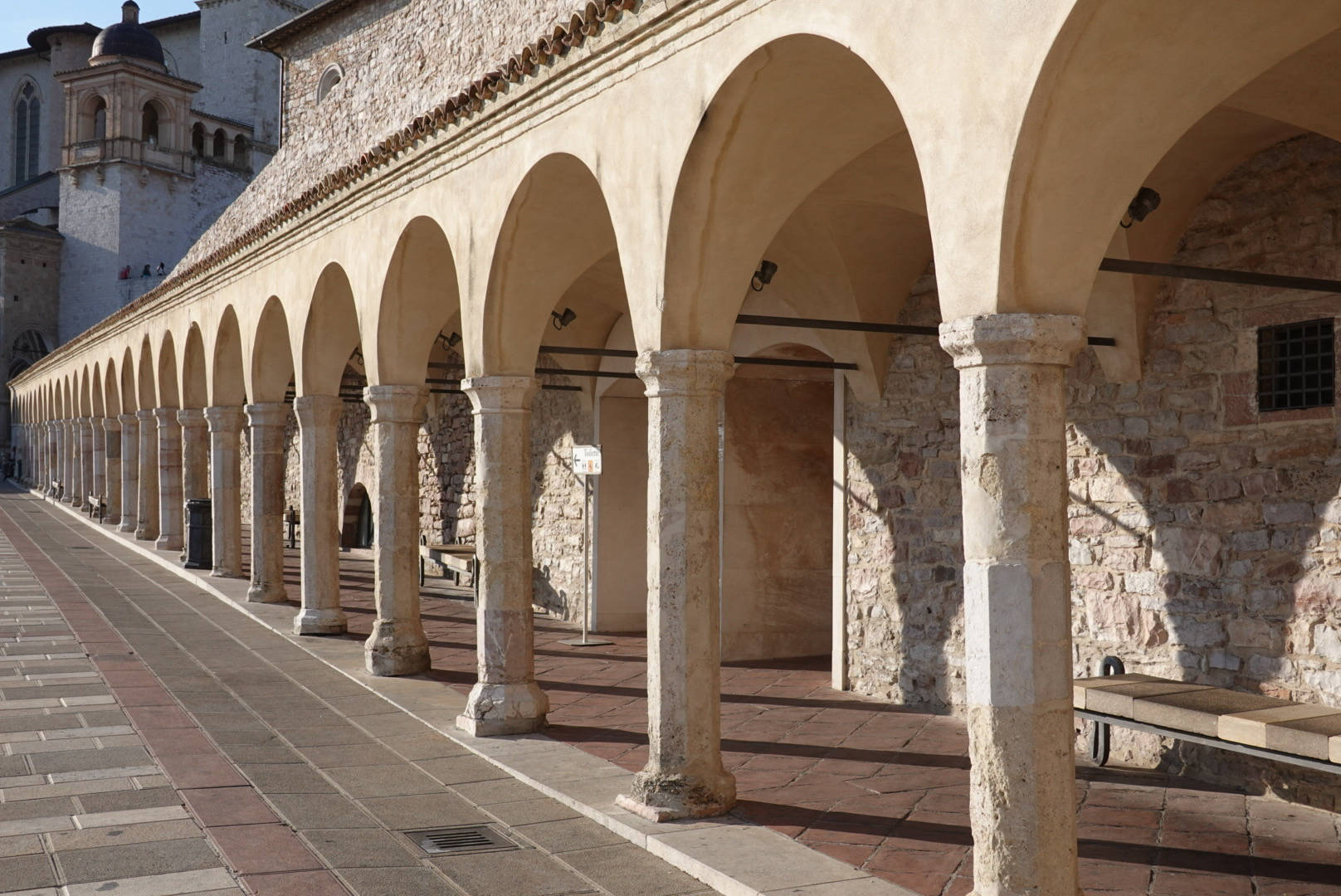
1. Basilica of St. Francis (San Francesco)
Divided into the Upper Church (with frescoes by Giotto and Cimabue) and the Lower Church (with Lorenzetti’s Passion cycle).
The crypt contains the tomb of St. Francis.
A must-see for art lovers, pilgrims, and history enthusiasts.
2. Basilica of Santa Chiara
Final resting place of St. Clare.
Houses the San Damiano Crucifix, believed to have spoken to St. Francis.
3. Cathedral of San Rufino
Built over the site where St. Francis and St. Clare were baptized.
Romanesque façade and a crypt with Roman ruins.
4. Basilica of Santa Maria degli Angeli
Located in the valley below Assisi.
Encloses the Porziuncola chapel and Transito (where Francis died).
A major pilgrimage destination.
5. Church of San Damiano
Where Francis received his divine calling.
Clare later transformed it into a convent.
Beautiful hillside location and serene atmosphere.
6. Rocca Maggiore
A medieval fortress offering panoramic views of the town and Umbrian countryside.
Built to defend the town and showcase imperial authority.
7. Temple of Minerva and Piazza del Comune
The Roman temple’s façade is among the best preserved in Italy.
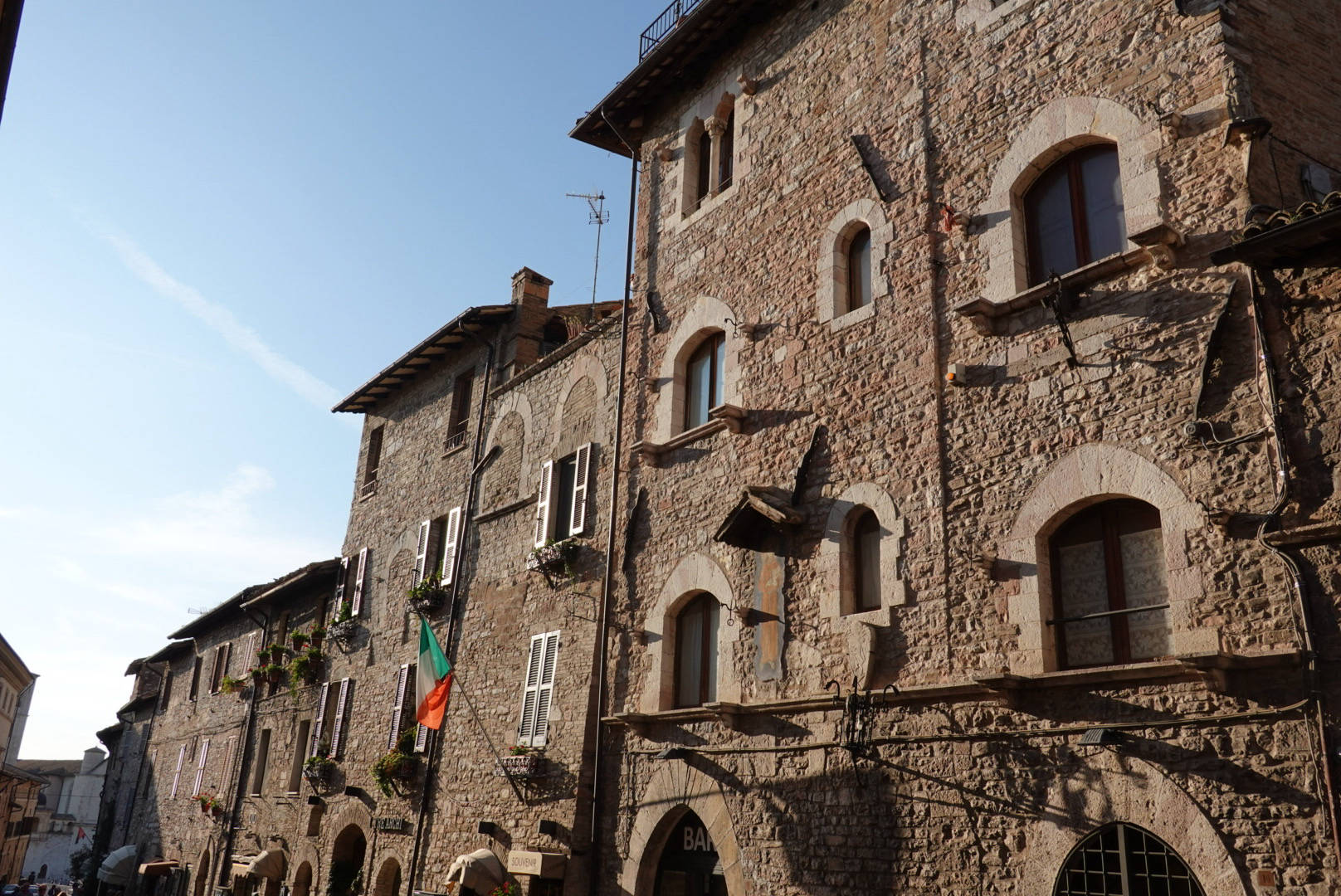
The main square is surrounded by historic buildings, cafes, and municipal structures.
8. Eremo delle Carceri
A hermitage retreat located in the woods of Mount Subasio.
Francis and his followers often came here for solitude and prayer.
Peaceful and deeply spiritual setting.
9. Roman Amphitheater and Walls
Walk along remains of the Roman walls and explore the site of the ancient amphitheater (now partly built over with medieval structures).
10. Franciscan Missions Museum & Diocesan Museum
Learn more about the spread of the Franciscan movement across the world.
Contains sacred art and relics from the early Christian period.
When to Visit
Spring and early autumn are ideal: pleasant weather and fewer crowds.
The 4th of October, St. Francis’s feast day, is celebrated with processions, fireworks, and religious services.
The town hosts various festivals, including the Calendimaggio, a medieval-themed celebration with music, costumes, and pageantry.
Conclusion
Assisi is far more than a beautiful Umbrian hill town — it is a living embodiment of peace, art, and faith. Its cobblestone streets echo with the footsteps of saints, artists, and pilgrims. From its Roman roots to its role in global spiritual dialogue today, Assisi’s timeless message continues to draw people seeking meaning, beauty, and community.
Whether you come for its churches, its frescoes, or the serene landscapes that inspired one of Christianity’s greatest saints, Assisi promises a transformative journey through the ages.
Assisi is not hard to find, but parking can be a challenge.