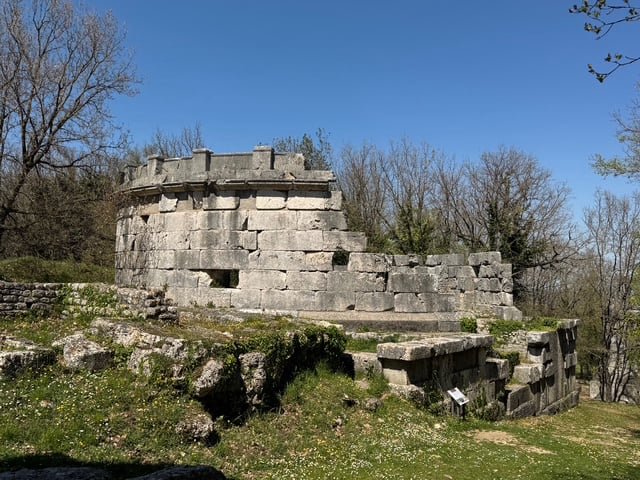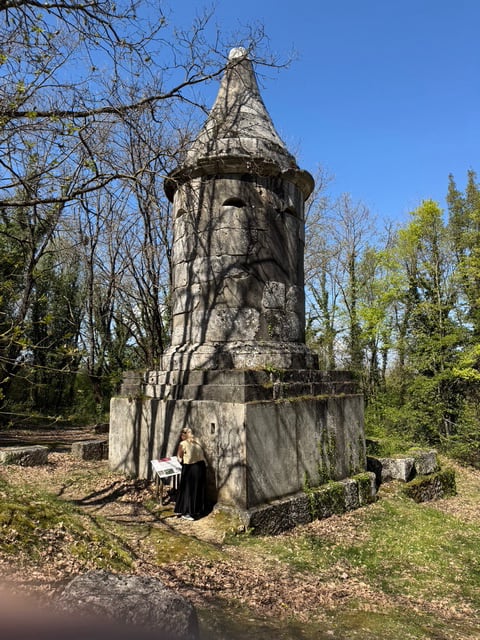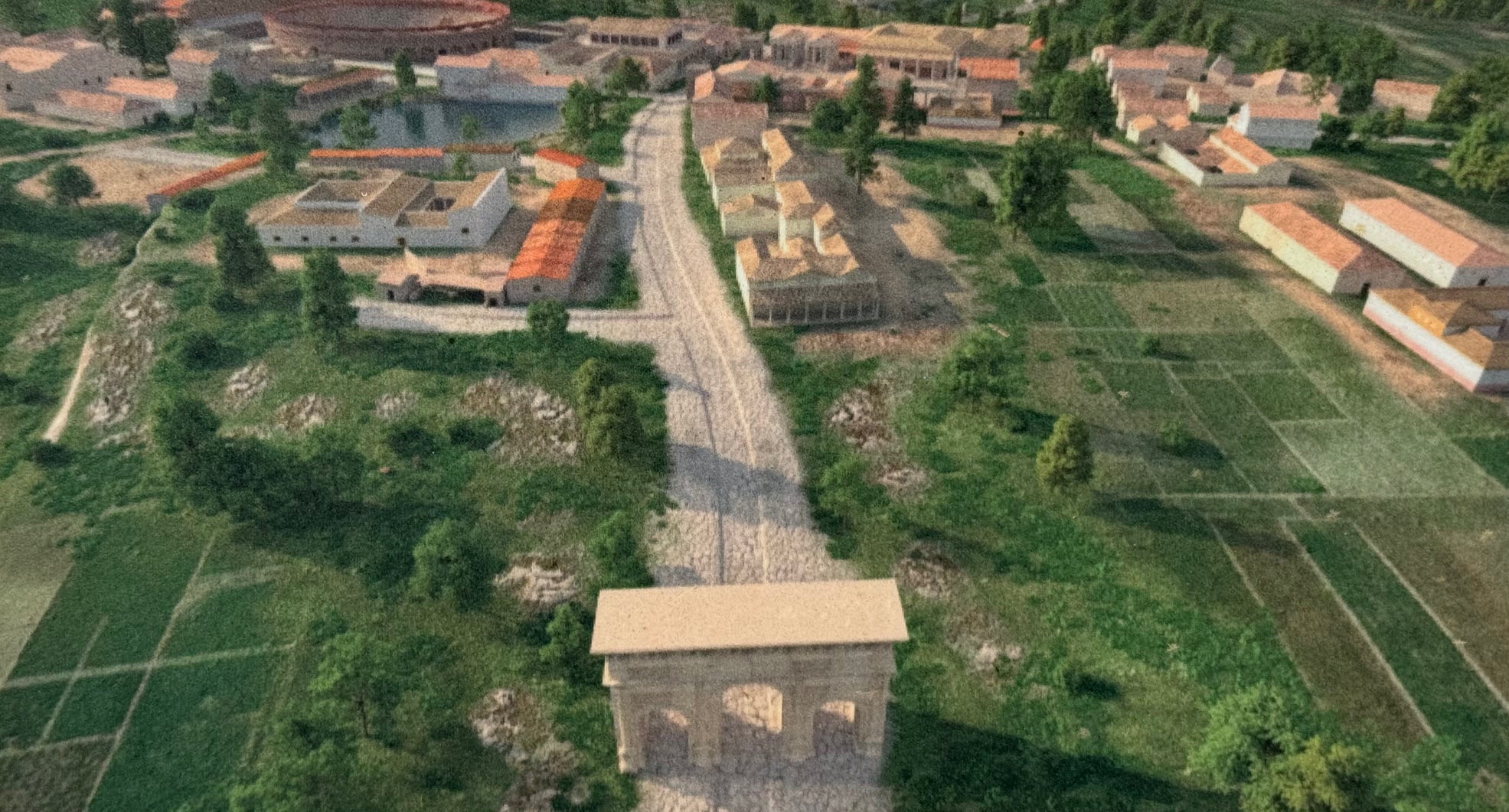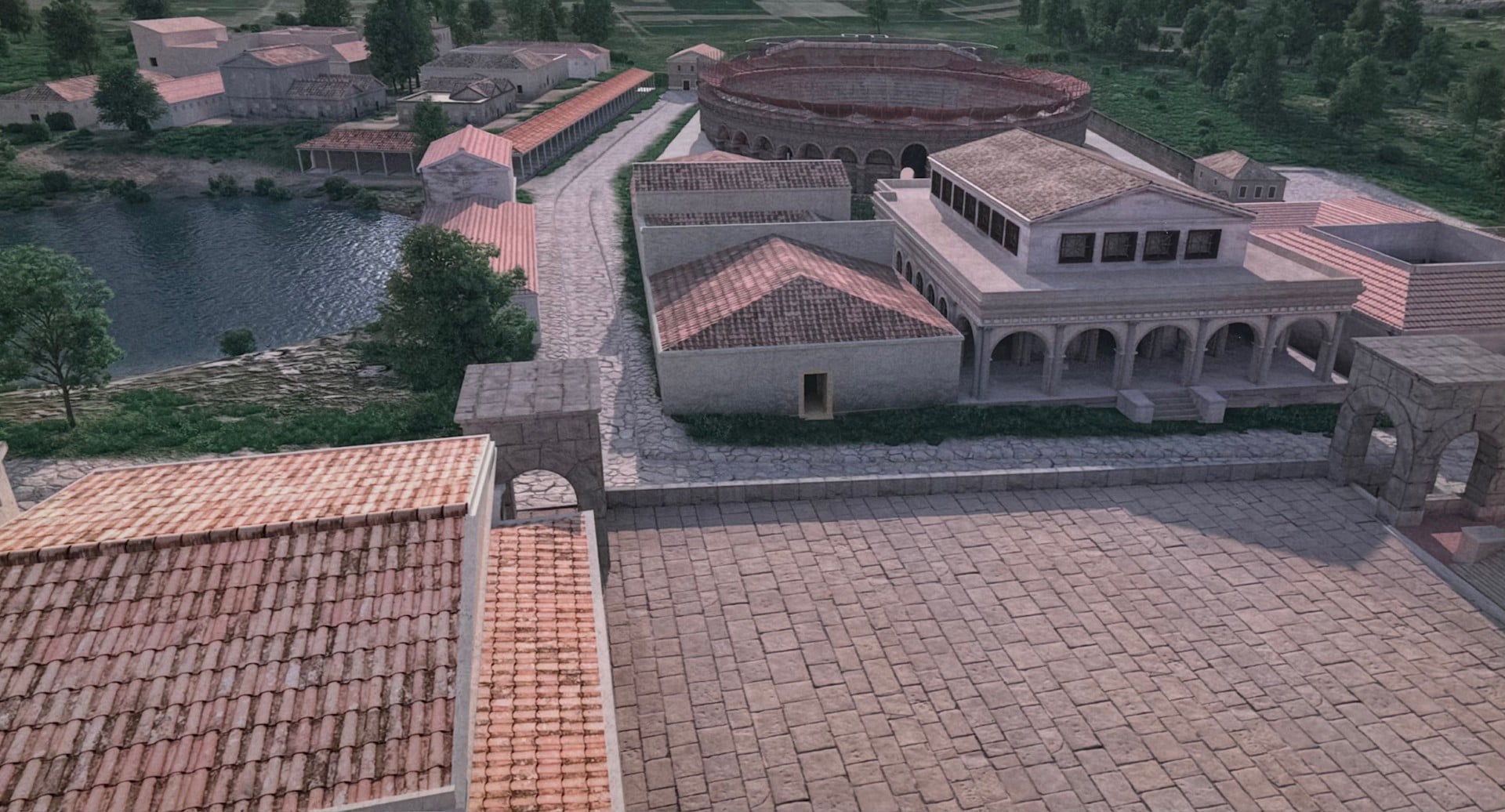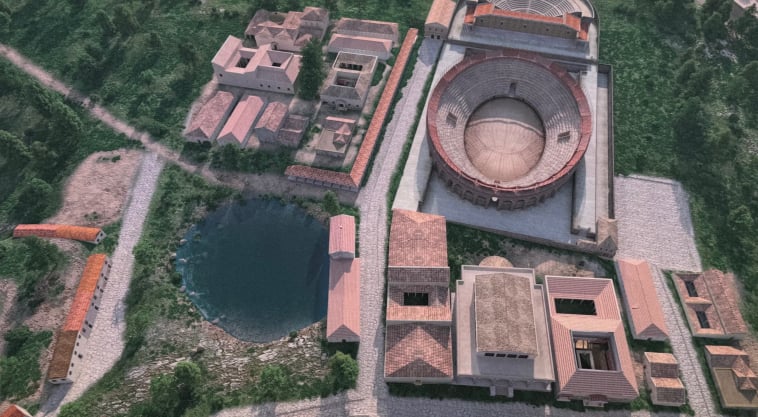
The site of the ancient city of Carsulae is a very special experience.
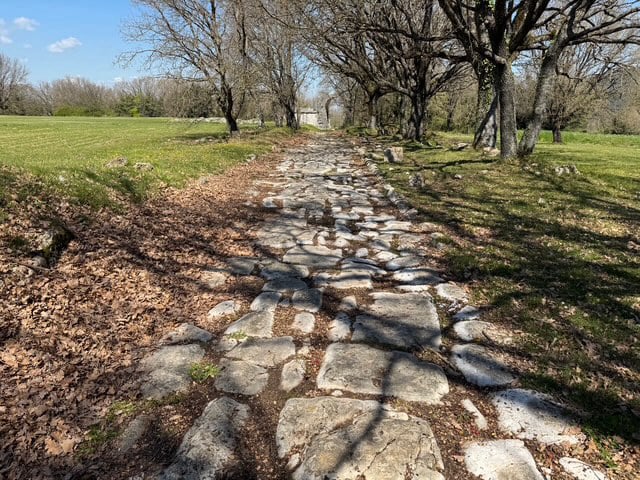
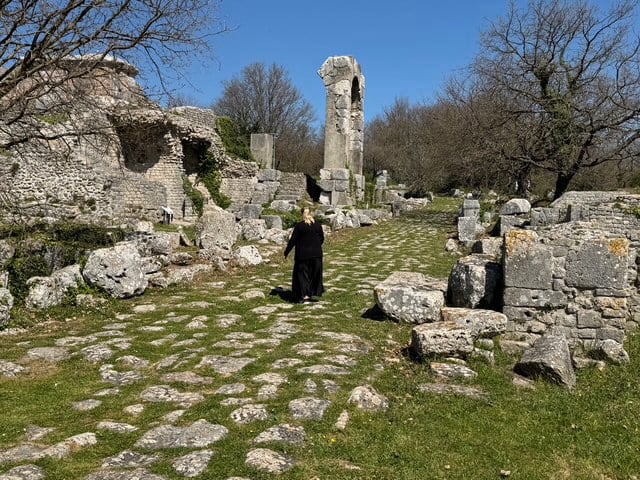
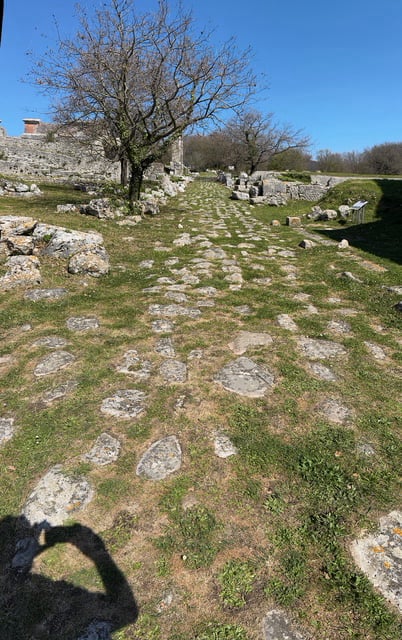
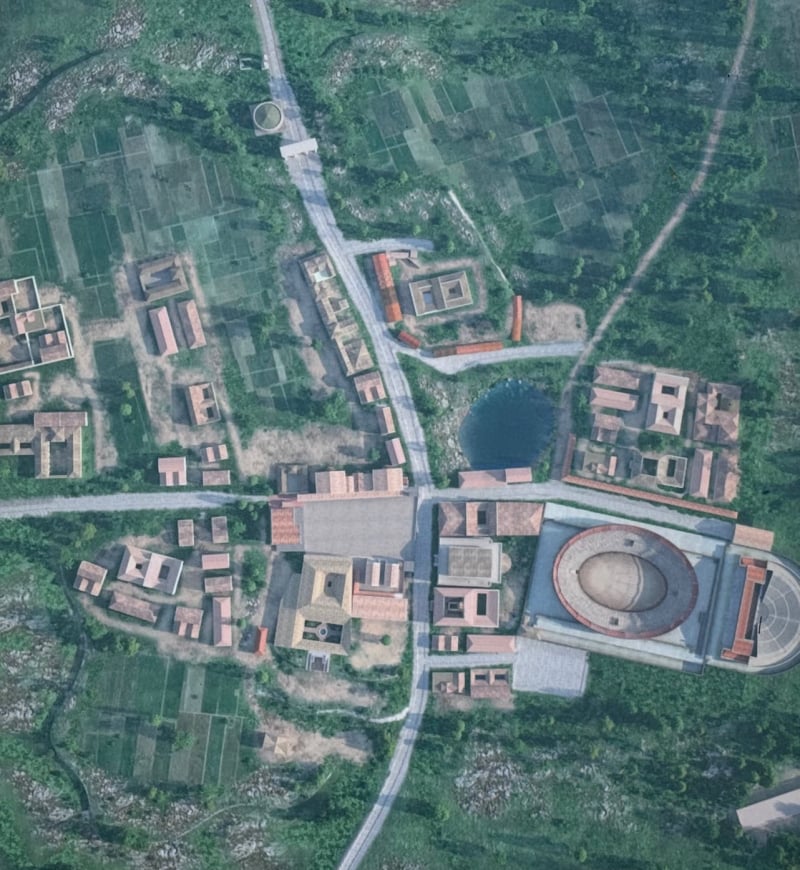
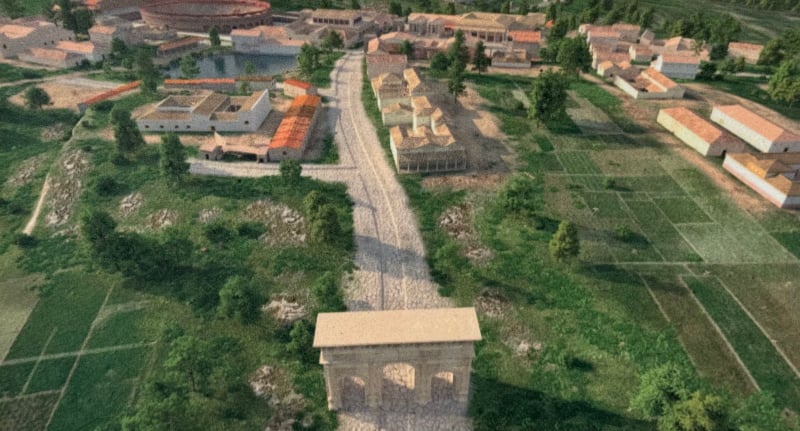
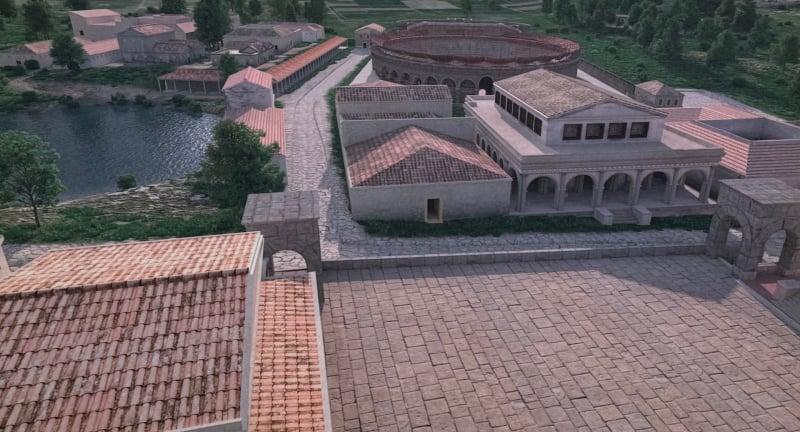
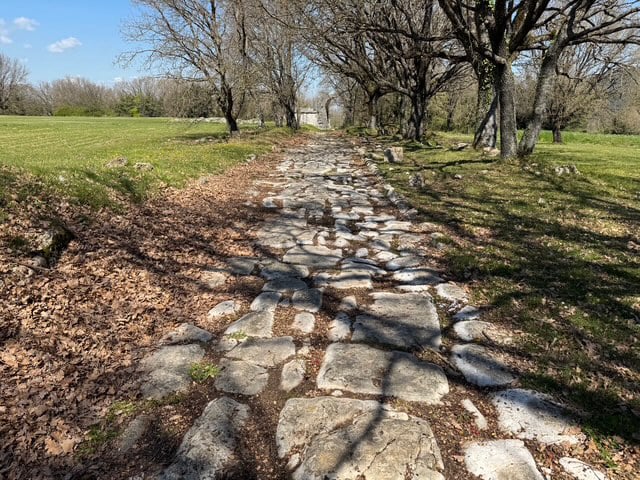
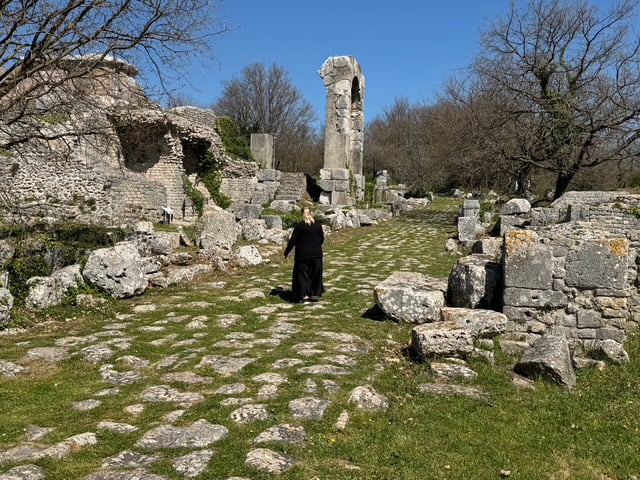
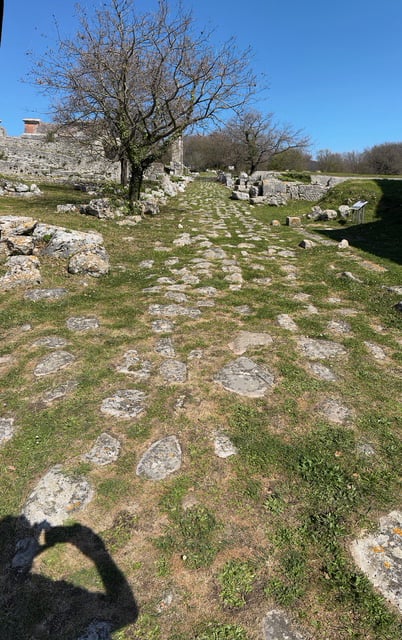
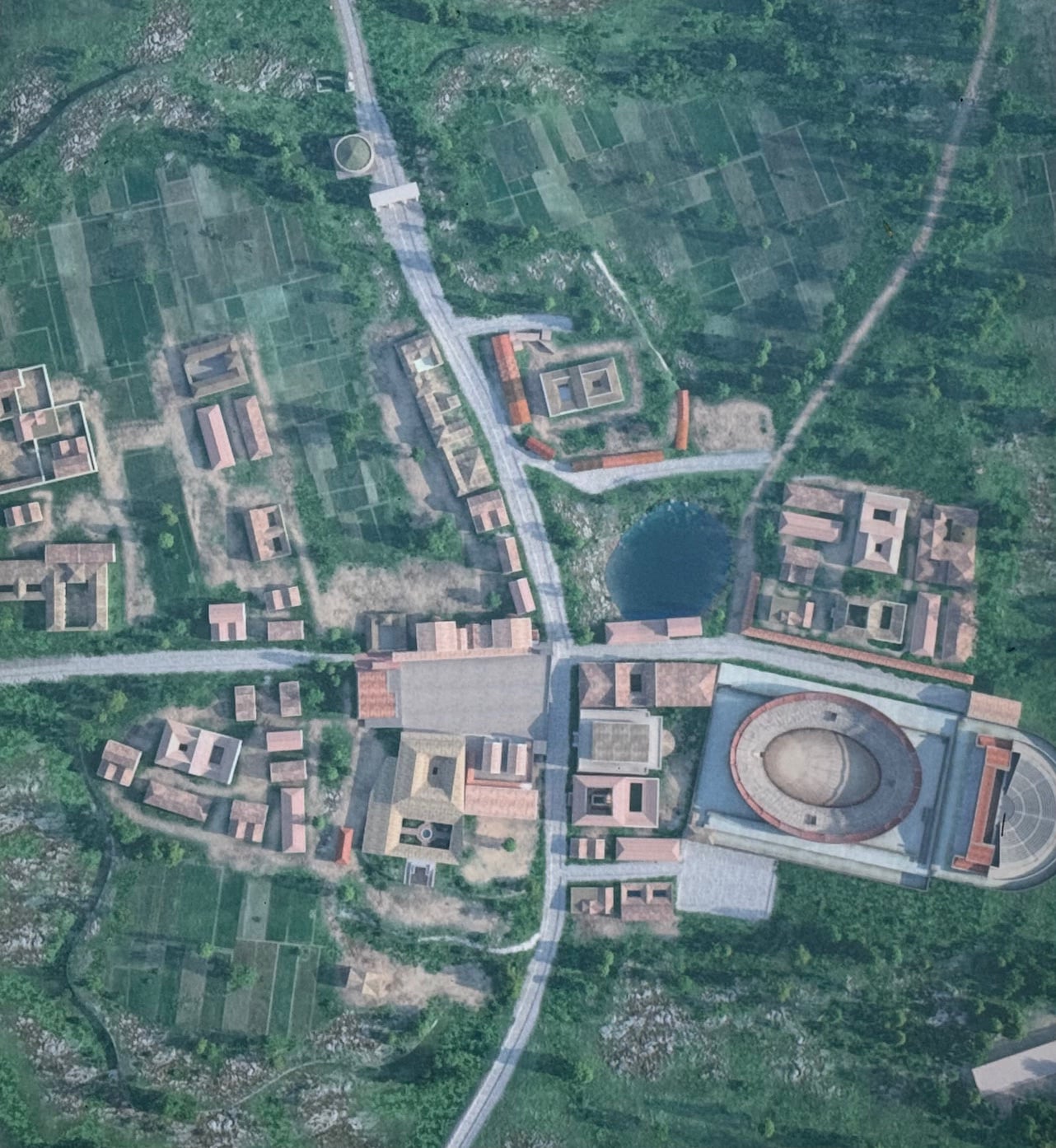
The city was never covered by new settlements, so you can get a really good idea about the layout and size of the official parts of Carsulaes such as the forum, the amphitheater, the temples and especially the road Via Flaminia which is still well preserved several places, even still showing wagon tracks in the rock road surface.
Bring you lunch pack, water and good shoes - there is even a small bar by the site museum.
Official web site & Ticket booking link.
You can find pictures and directions at the bottom of this page.
Hint: When visiting you should download the app that the site offers. It will give you good information about the site, history and original city layout.
Nestled in the verdant hills of southern Umbria, Italy, the ancient Roman city of Carsulae stands as one of the most evocative and well-preserved archaeological sites in the region. Located near the modern town of San Gemini, Carsulae offers a vivid glimpse into the architectural, civic, and cultural landscape of Roman Italy. From its founding in the third century BCE to its rediscovery and excavation in modern times, the city’s story mirrors the rise and transformation of the Roman world itself.
Origins and Foundation (3rd century BCE – 1st century BCE)
Carsulae was founded during the Samnite-Roman expansion period, likely in the 3rd century BCE, a time of significant Roman colonization in central Italy. Its location was not arbitrary: the town was strategically positioned along the newly constructed Via Flaminia, the Roman consular road that connected Rome to the Adriatic coast. Completed in 220–219 BCE by Gaius Flaminius, this road provided a crucial trade and military link through the Apennine Mountains and made Carsulae a natural stopping point and commercial hub.
At first, Carsulae likely served as a mansio, or rest stop, for travelers and officials. However, it rapidly developed into a full-fledged Roman municipium, reflecting the town’s growing importance and integration into the broader Roman administrative system.
Flourishing Under Augustus (1st century BCE – 2nd century CE)
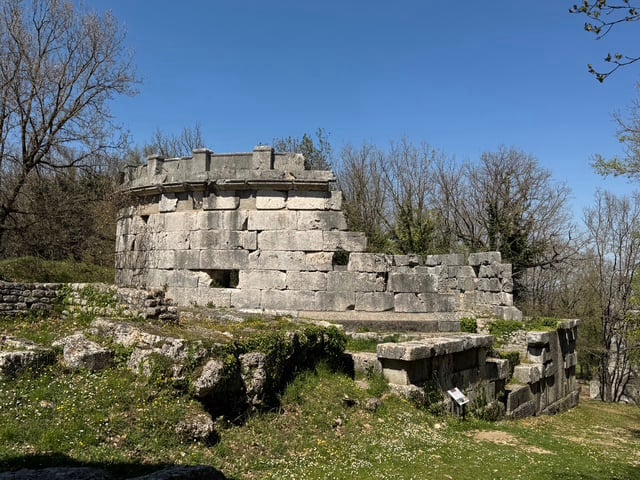
Carsulae flourished particularly during the reign of Emperor Augustus (27 BCE – 14 CE), a period marked by massive urban development across the empire. Like many Roman towns, Carsulae underwent systematic urbanization in line with Roman city planning. The town was adorned with the typical infrastructure of Roman municipal life: a forum, a basilica, a theater, a small amphitheater, temples, public baths, and monumental city gates.
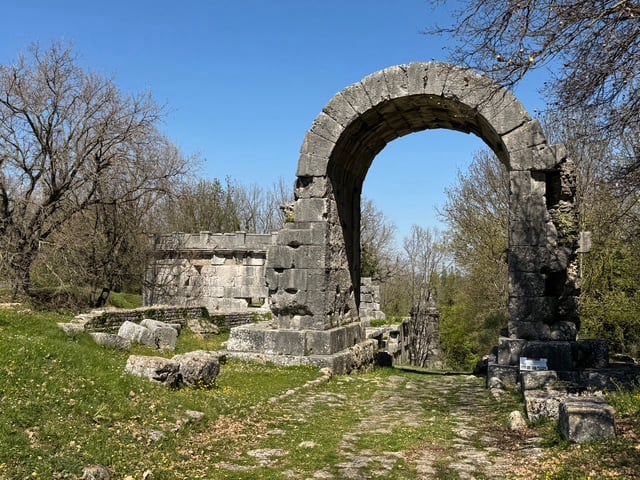
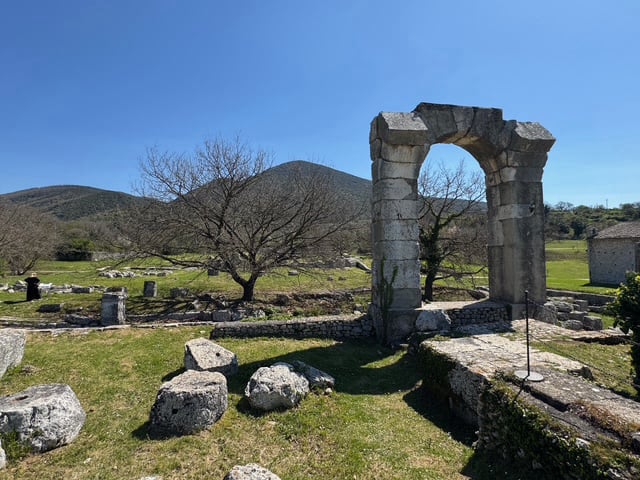
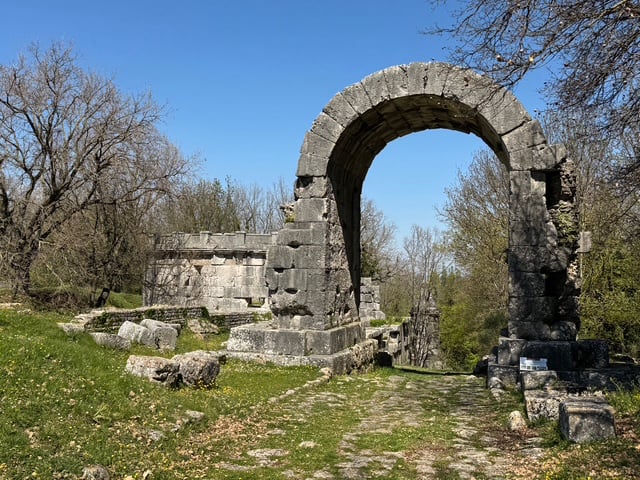
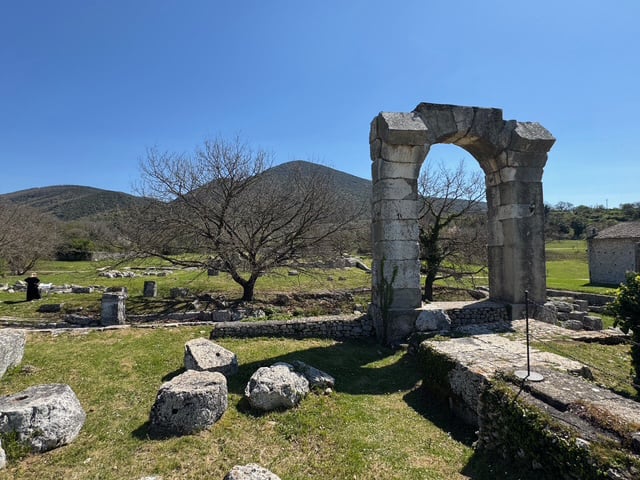
The Via Flaminia bisected the town, and one of the most iconic structures still visible today is the Arch of San Damiano, which marked the northern entrance to the city. This triumphal arch, with its travertine cladding, became a symbol of Carsulae’s civic pride and Roman identity.
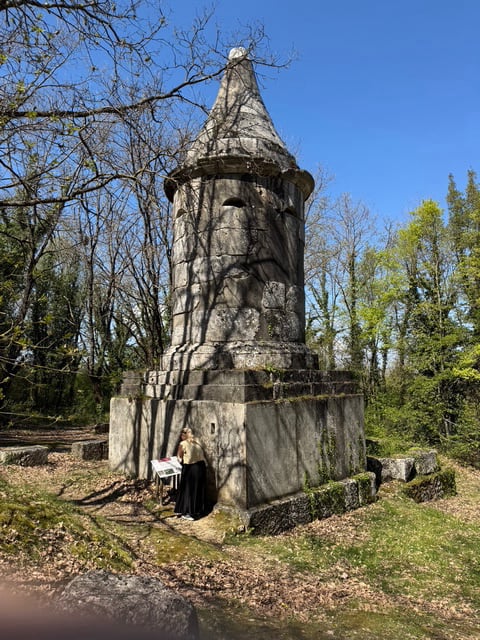
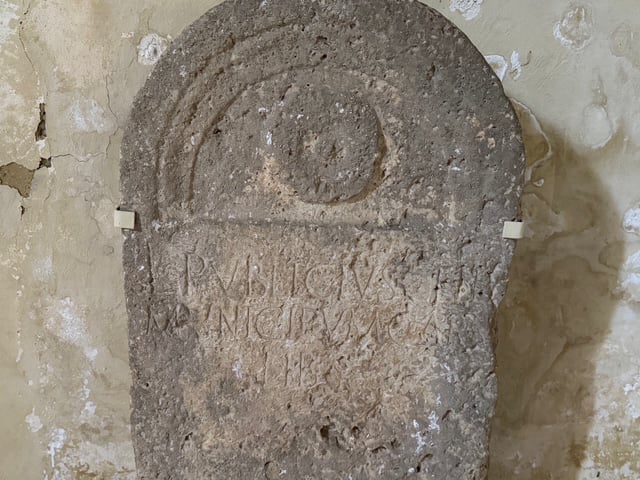
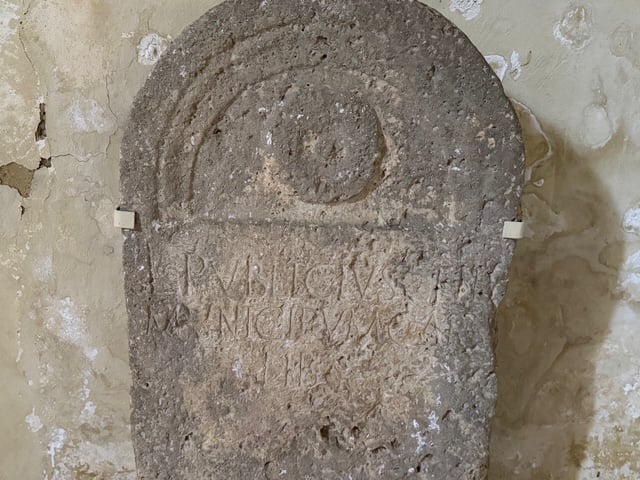
The town’s economy was based on agriculture, local trade, and services for travelers on the Via Flaminia. Inscriptions and architectural remains suggest that the population enjoyed a high standard of living, and the presence of monumental tombs along the road reflects the wealth and prestige of its citizens.
Gradual Decline and Abandonment (3rd – 6th century CE)
Despite its early prosperity, Carsulae began to decline by the 3rd century CE, paralleling broader trends in the Roman Empire. Several interconnected factors contributed to its downturn:
Shift in Trade Routes: The Via Flaminia gradually lost prominence as other routes became more vital to the empire’s changing economy and political priorities. Carsulae’s central position was no longer advantageous.
Geopolitical Instability: With the fall of the Western Roman Empire and repeated barbarian invasions in the 5th century, towns without defensive walls—like Carsulae—were especially vulnerable.
Natural Disasters: Carsulae sits in an area prone to seismic activity, and several historians speculate that earthquakes may have contributed to the sudden abandonment of key buildings and infrastructure.
Lack of Reoccupation: Unlike many other Roman towns that evolved into medieval centers, Carsulae was never rebuilt or substantially reoccupied. This left its ruins remarkably untouched for centuries.
By the 6th century, Carsulae had effectively vanished from maps and memory, its remains overtaken by nature.
Medieval and Early Modern Period: Silence and Rediscovery
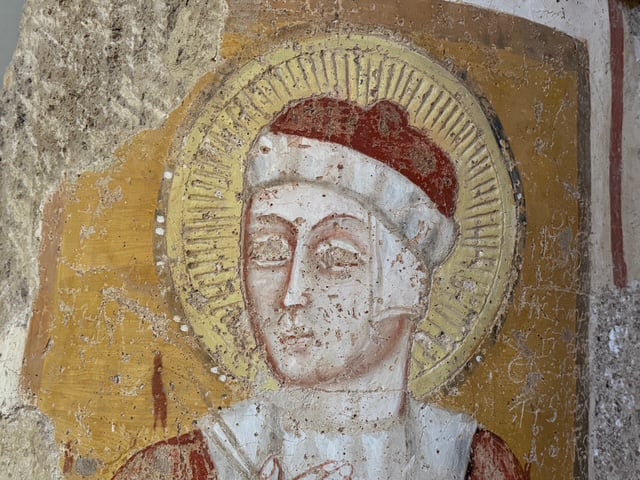
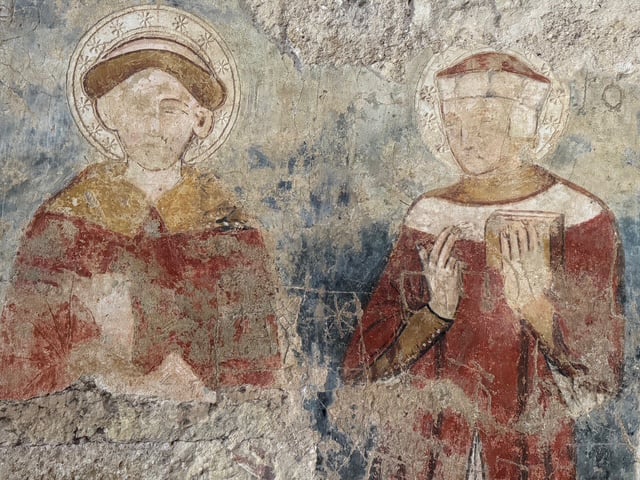
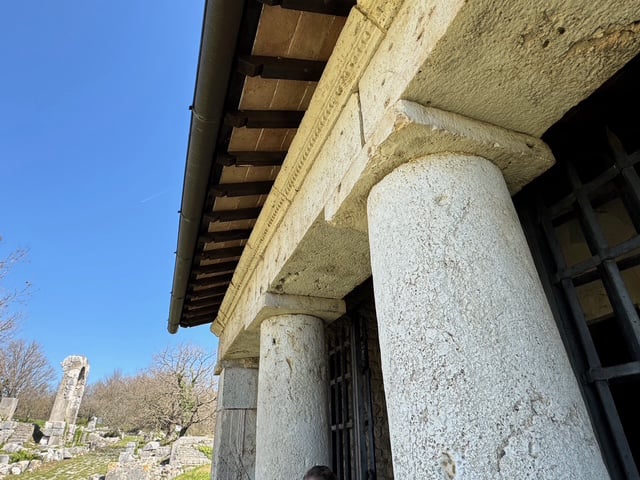
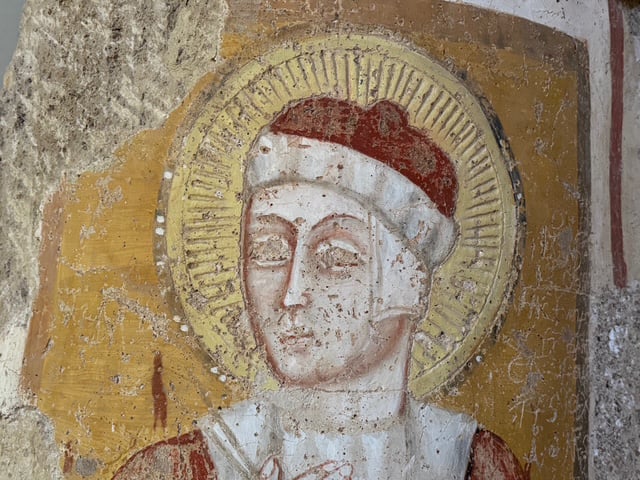
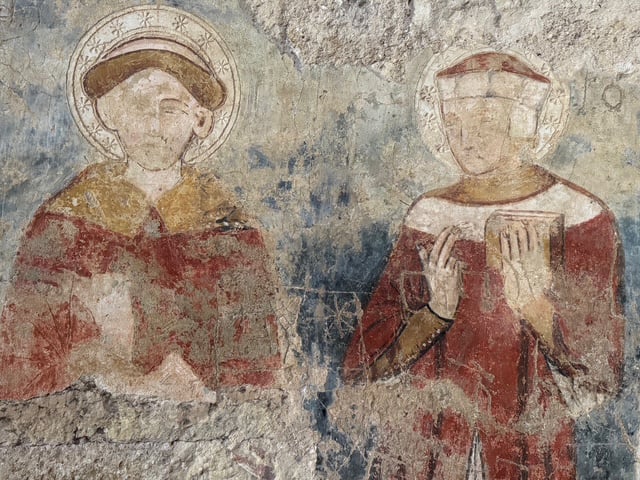
For much of the medieval period, Carsulae lay buried and forgotten. The only visible structure was the Church of San Damiano, built in the early Christian period atop the ruins of a Roman building, likely a temple. This small church was used sporadically by local hermits and pilgrims but never developed into a full religious center.
The first serious efforts to identify the ancient site of Carsulae occurred during the Renaissance, as antiquarians and clerics began to link local ruins to references in Roman literature and inscriptions.
However, it was not until the 19th century that systematic archaeological interest in the site began. Explorers and local scholars noted the presence of paved Roman roads, buried structures, and scattered architectural fragments, sparking wider academic curiosity.
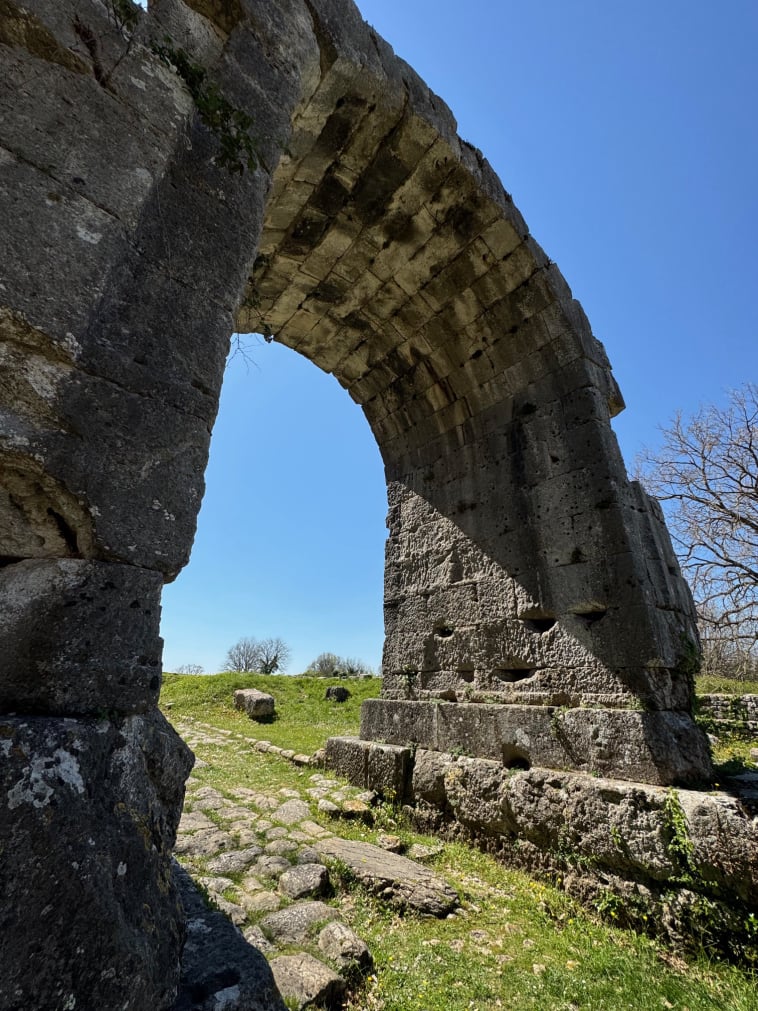
Still standing as a gateway spanning Via Flaminia.
Excavations began in earnest during the mid-20th century, led by Italian archaeologists and supported by regional heritage institutions. The work revealed a well-preserved urban grid, with key buildings such as:
The Forum: The civic heart of the city, surrounded by public buildings, including the basilica used for legal proceedings and public business.
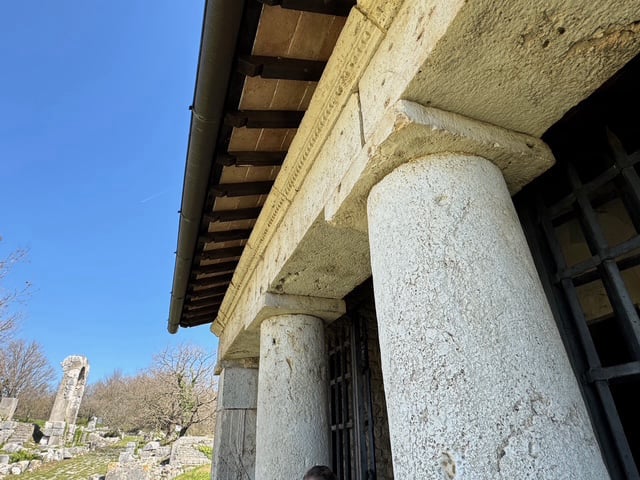
Twin Temples: Likely dedicated to Castor and Pollux or other Roman deities, these temples symbolize the religious life of the community.
The Theater and Amphitheater: Located outside the town’s center, they highlight the importance of public entertainment in Roman society.
The Baths: Ongoing excavations in the early 21st century have uncovered parts of a large bathing complex, affirming the presence of sophisticated infrastructure.
Residential areas and shops (tabernae): Though less fully excavated, these structures point to the daily commercial and domestic life of the town.
Carsulae is particularly valued for its state of preservation. Because the site was not rebuilt in later periods, archaeologists have a rare opportunity to study an intact Roman city layout, free from medieval or modern overlays. The alignment of streets, the spatial relationship of public buildings, and construction techniques provide scholars with critical insights into Augustan-era urban planning.
In recent years, international collaborations (e.g. with American universities and Italian institutes) have helped expand research and conservation efforts. Technologies such as ground-penetrating radar and 3D modeling are now being used to explore parts of the site still buried beneath centuries of soil.
What Visitors See Today
Today, Carsulae is an open-air archaeological park, accessible to the public. It remains a hidden gem for history lovers, hikers, and students of Roman antiquity.
Visitors can walk along the ancient Via Flaminia, with visible ruts from carts carved into the stone. The road leads past tombs, the Arch of San Damiano, and into the heart of the city. Here, one can explore:
The Forum and Basilica foundations
The Twin Temples
The remains of the Bath Complex
The Theater and Amphitheater
The Church of San Damiano
An on-site visitor center and museum offers interpretive materials, maps, and small artifacts recovered from the site. Informational panels guide visitors through the ruins, and guided tours are available seasonally.
Carsulae is also integrated into the broader Umbrian tourism and hiking networks, including the Cammino di San Francesco, offering opportunities to blend cultural and natural exploration.
Carsulae holds a unique place in the study of Roman Italy. Unlike Rome or Pompeii, where modern development or volcanic burial shaped preservation, Carsulae’s untouched abandonment allows for a kind of archaeological purity. It presents an authentic slice of Roman civic life from the early imperial period, unaltered by later settlements.
Its story also resonates symbolically: a town that rose with empire and trade, fell into silence with geopolitical change, and was reborn as a site of memory and learning.
Educational programs, cultural events, and historical reenactments held at the site continue to breathe new life into the ancient stones. It stands today not only as a monument to the past but as a living classroom, inspiring ongoing exploration into Roman civilization.
The site of Carsulae is not hard to find, and there are plenty of parking.